- Four tiers, four different services: $15–$45/month automation, $30–$75 budget gigs, $120–$250 dedicated engineers, $300–$700+ full audio + video studios.
- Price follows workload, not runtime: source hygiene, listening precision and video complexity decide the invoice — not episode length.
- Cheap editing is automated editing: below roughly $75 per episode, manual spectral cleanup and pacing work physically do not fit in the budget.
- Fix the room, not the budget: multitrack recording, acoustic treatment and closed-back headphones beat any discount editor.
Search for podcast editing rates today, and you'll find an absurd range: a $25 gig on Fiverr, a $40 AI subscription, a $200 freelance engineer, or a full-service production house quoting $2,500 a month.
On paper, every single one of them claims to do the exact same thing: “make your podcast sound professional.”
In practice, they aren't even selling the same service.
Most people budgeting for a podcast make the mistake of measuring editing in minutes of raw tape. They assume an editor simply listens in real time, snips out a few hesitations, slaps a compressor on the master, and exports an MP3.
If that were true, software would have killed our industry years ago.
The reality is that pricing in 2026 isn't determined by how long your conversation lasted. It's determined by the state of your raw tracks, the precision of the listening involved, and whether you are publishing pure audio or a multi-camera video feed.
Here is an honest breakdown of the numbers, what you are actually buying at each price point, and how to avoid setting your production budget on fire.
The Four Market Tiers in 2026
If you strip away the marketing jargon, post-production for a typical 40-minute episode sits in one of four brackets:
| Tier | Typical price | What you are really buying |
|---|---|---|
| 1. Automated layer | $15 – $45 / month | Algorithmic cleanup and text-based editing |
| 2. Budget gig | $30 – $75 / episode | Top-and-tail editing with presets |
| 3. Dedicated audio engineer | $120 – $250 / episode | Manual repair, pacing and broadcast mastering |
| 4. Full audio + video studio | $300 – $700+ / episode | Engineering plus multicam video post |
1. The Automated Layer ($15 – $45/month)
Tools like Descript, Riverside's built-in suites, or Adobe's auto-levelers.
What you get: Algorithmic noise reduction, auto-leveling, and text-based editing where you delete words from a transcript.
The reality: Fast and useful for basic rough assembly. But algorithms don't have ears. They frequently mistake room resonance for noise, strip the natural body out of a vocal, and leave voices sounding thin, metallic, and fatiguing over a long listen.
2. The Budget Gig ($30 – $75 per episode)
Entry-level freelance marketplaces.
What you get: Top-and-tail editing (adding your intro/outro music), global noise gate presets, and basic removal of obvious dead air.
The reality: At $35 an episode, an editor cannot afford to spend more than 45 minutes on your file without working below minimum wage. That means automated batch processing: presets thrown across the master track, zero manual spectral cleanup, and no critical checks for phase issues or mouth clicks.
3. Dedicated Audio Engineers ($120 – $250 per episode)
Independent specialists who treat audio as a craft, not a volume game.
What you get: Individual track treatment, manual spectral repair, precise dialogue pacing, and mastering calibrated exactly to broadcast loudness targets (such as -16 LUFS for stereo audio feeds).
The reality: This is where the work becomes invisible. Voices sound natural and present without audible processing artifacts, dialogue flows without awkward cuts, and the listener never has to reach for the volume dial in their car.
4. Full Audio + Video Production Studios ($300 – $700+ per episode)
Studios handling both broadcast audio and multi-camera video workflows.
What you get: Everything in the engineering tier, plus multi-cam switching synced to raw audio, color matching across mismatched cameras, dynamic framing, and short-form cutdowns for social distribution.
The reality: This is essentially hiring an entire technical post-production department on a per-release or retainer basis.
What Actually Drives the Invoice Up?
When a studio looks at a raw recording session, the invoice isn't based on run time alone. Three specific technical factors dictate the actual workload:
1. Source Hygiene (Fixing vs. Mixing)
There is a massive difference between mixing a clean recording and performing forensic restoration.
Two dynamic mics in an acoustically damped room? That's a straightforward mix.
Two sensitive condenser mics in a glass-and-hardwood office, bleeding into each other with HVAC hum in the background? That requires manual spectral de-noising, phase alignment, and surgical notch filtering just to make the tracks usable before editing even begins.
Every acoustic problem you leave in the room during recording costs you double in the edit bay.
2. Pacing vs. Blind Chopping
Cheap editing strips every pause indiscriminately, turning natural speech into an exhausting machine-gun cadence where nobody inhales.
Real dialogue editing requires editorial judgment. You keep the thoughtful pause before a key point. You remove the false starts and trailing thoughts that waste the audience's time. You trim the nervous filler without turning the speakers into text-to-speech bots. That kind of editing cannot be batched; it takes focused human listening.
3. Video Complexity
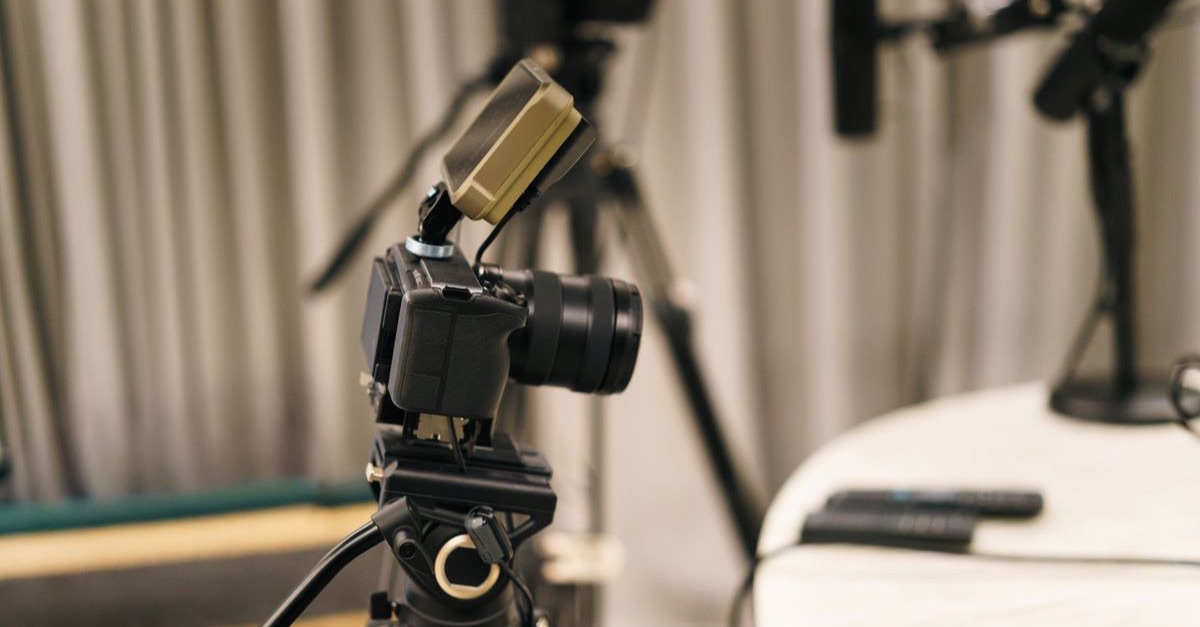
The moment video enters the equation, the editing timeline triples. Syncing separate camera angles, switching on speaker cues, fixing washed-out lighting, and formatting vertical 9:16 cutdowns with accurate burnt-in captions requires an entirely different software pipeline and hours of rendering time.
Per-Episode vs. Monthly Retainer: Which Makes Sense?
Most reputable studios and engineers work on either a flat per-episode fee or a fixed monthly retainer:
- Go with Per-Episode if you publish seasonally, record in sporadic batches, or release less than twice a month. You only pay for what hits the server.
- Go with a Monthly Retainer if you publish on a strict weekly schedule. Retainers lock in dedicated calendar turnaround (usually 24 to 48 hours), protect you from sudden price fluctuations, and guarantee a unified sonic signature across your entire back catalogue.
How to Get Better Results Without Spending More
If your budget is tight, the answer isn't to look for a cheaper editor who will ruin your audio with aggressive filters. The answer is to improve what you hand over:
- Stop recording onto a single track. Always record discrete multitracks (one file per person). If both voices are baked onto a single stereo track, fixing background noise or overlapping speech without destroying the other person's vocal is virtually impossible.
- Treat the room before you buy a new mic. A $100 dynamic microphone recorded in a room with a thick rug and bookshelves will sound noticeably better than a $400 broadcast condenser recorded in an echoey room with bare walls.
- Wear closed-back headphones. Headphone bleed — where the guest's voice leaks out of the host's headphones back into the host's microphone — creates hollow phase cancellation that takes hours of manual work to strip out.
The Bottom Line
If your podcast is a casual hobby where you just want to get ideas out to a few friends, stick with basic tools and keep your expenses at zero.
If your show is attached to a business, personal brand, or serious media effort, audio quality is directly tied to credibility. Listeners don't analyze compression ratios or frequency curves; they simply feel listener fatigue and hit stop. Budgeting $500 to $1,500 a month for dedicated post-production isn't an arbitrary expense — it's what ensures your content actually gets heard all the way through to the outro.

Need a Production Quote That Holds?
Per-episode or fixed monthly retainer, 24–48h turnaround, and one unified sonic signature across your back catalogue. No surprise line items.
Get a post-production quote →How to Edit a Podcast: Step-by-Step Production Guide
Master the complete audio cleanup, pacing, and loudness normalization workflow.
Read guide →Best Podcast Audio Settings: EQ, Compression & Loudness
The exact signal chain we apply to every episode, from high-pass filter to -14 LUFS.
Read guide →